

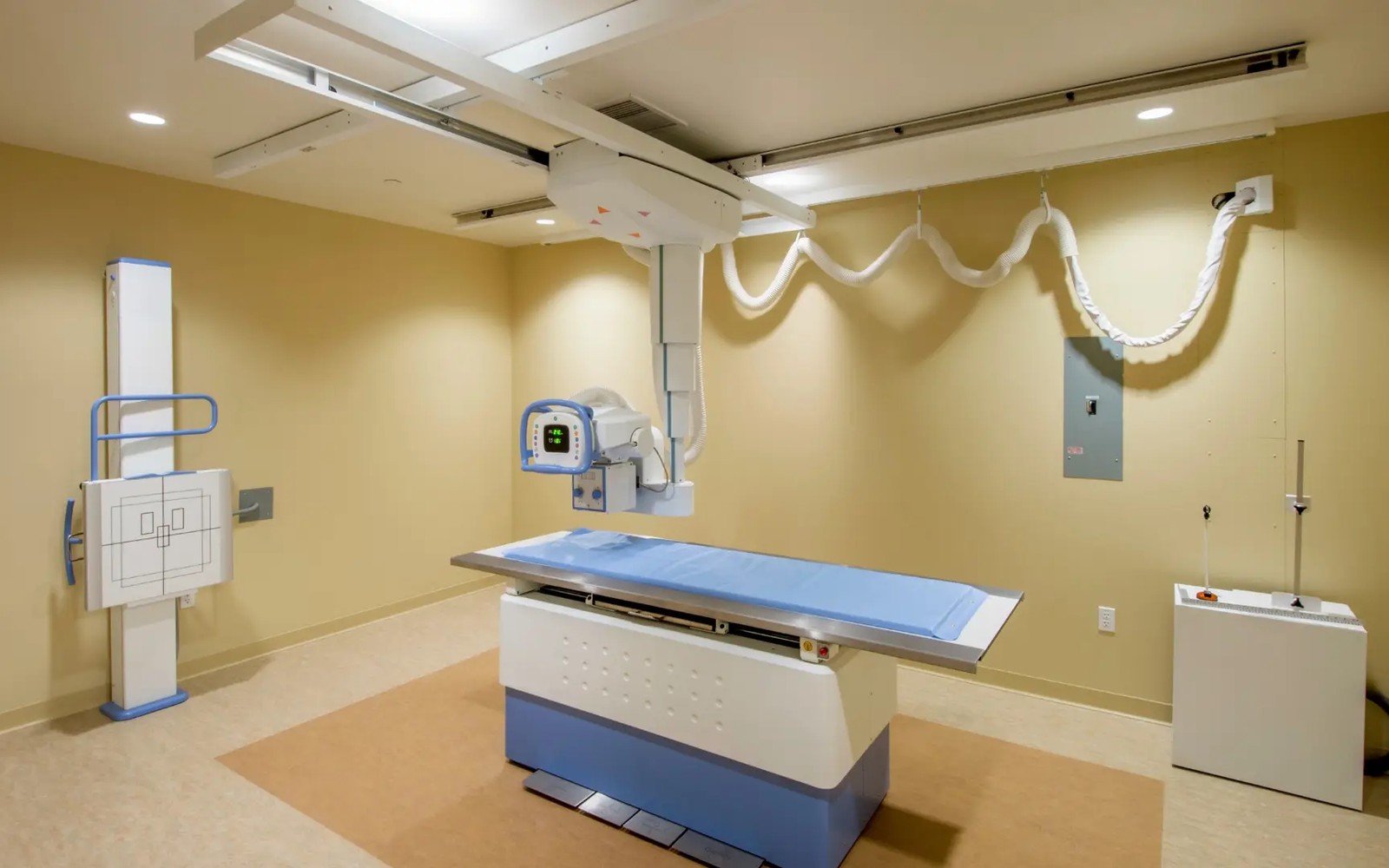
Flat-panel detector technology changed what a fluoroscopy room can deliver. Older image intensifier systems produce barrel distortion at the image edges, lose contrast in low-dose pulsed modes, and require recalibration as the intensifier ages. A digital fluoroscopy system using an amorphous silicon or cesium iodide flat-panel detector eliminates those limitations, producing dose-efficient, geometrically accurate real-time images across the full detector surface. For GI programs managing high daily contrast study volume, or vascular programs where image quality directly affects procedural accuracy, the upgrade argument is substantive.
New digital fluoroscopy systems from leading manufacturers run from approximately $150,000 for a basic digital R&F configuration to $450,000 for a fully equipped remote-control suite with advanced software capabilities. Refurbished digital systems with flat-panel detectors are available running about $80k to $200k. We finance both ends of the market, starting at $50,000. Application-only underwriting is available up to approximately $400,000, and most transactions close in one to two weeks.
Digital vs. Conventional Fluoroscopy: The Practical Difference
The distinction that matters most for buyers is detector technology. Image intensifier systems, which were the standard from the 1950s through the 2000s, convert X-ray to light via a phosphor screen, amplify that light electronically, and then reconvert to a video signal. Flat-panel detectors convert X-ray directly to an electrical signal through a thin-film transistor array, producing images with higher dynamic range, less geometric distortion, and better dose efficiency at equivalent exposure levels.
In a busy GI department doing esophagrams and upper GI series eight to ten times per day, the cumulative dose benefit of a digital flat-panel system is meaningful both for patient safety and for regulatory compliance with state fluoroscopy dose standards. Modern pulsed fluoroscopy modes on digital systems can achieve excellent image quality at very low pulse rates (as low as 1 frame per second for slow-moving anatomy), significantly reducing total patient dose compared to continuous fluoroscopy on older image intensifier equipment.
From a workflow perspective, digital fluoroscopy integrates more naturally with PACS and DICOM infrastructure, automatically routing spot images to the reading workstation without a technologist manually digitizing film or handling CR cassettes. For imaging centers that process high study volume, that integration reduces per-exam technologist time and speeds report turnaround. The PACS imaging workstations that receive those images are often upgraded simultaneously with the fluoroscopy room when a full department modernization is underway.
Who Is Replacing Older Image Intensifier Systems
The largest group financing digital fluoroscopy upgrades today is radiology departments and outpatient imaging centers that still operate image intensifier-based R&F tables installed in the 2005 to 2015 period. Those systems are reaching end of useful life either due to image intensifier degradation, parts availability issues, or simply the practical gap in image quality versus what current studies require. The replacement cycle is well established, and financing the upgrade without a large lump-sum capital expenditure is the standard approach.
Hospitals and health systems replacing legacy fluoroscopy rooms across multiple departments often structure multi-system financing packages rather than individual room approvals. Financing multiple digital fluoroscopy rooms on a portfolio basis can produce more favorable aggregate terms and simplify the documentation process. We accommodate multi-unit transactions and can structure them with staggered delivery schedules if rooms are coming online at different times.
Independent outpatient imaging centers represent the other major segment. A center that performs contrast GI studies as a core service offering cannot afford to operate an unreliable or low-image-quality fluoroscopy room without losing referral confidence. Replacing a failing image intensifier system with a modern flat-panel unit is a defensive investment as much as a quality upgrade.
Financing a Digital Fluoroscopy System: The Process
Most digital fluoroscopy system purchases are straightforward equipment finance transactions. The vendor quote or purchase agreement, along with a completed credit application, is the starting package for deals under $400,000. For application-only approvals, we target a credit decision within 24 to 48 hours on complete applications, with funding closing within one to two weeks.
For larger projects, particularly when room shielding upgrades or infrastructure modifications accompany the imaging system purchase, three months of bank statements support full financial underwriting. Some digital fluoroscopy system installations require electrical upgrades to accommodate higher generator power requirements or new control room infrastructure. Those hard costs are includable in the financing when they are documented on the vendor invoice.
X-ray equipment loans and lease structures are both appropriate for digital fluoroscopy systems. Loans suit practices that want ownership and are comfortable with the equipment's expected 10- to 12-year useful life. Leases offer more flexibility for programs that plan to upgrade detector technology at the end of the initial term, particularly if flat-panel resolution continues improving over the next five years. Bonus depreciation financing is also worth reviewing for tax-year optimization on digital fluoroscopy purchases.
New versus Refurbished Digital Fluoroscopy Systems
Refurbished digital fluoroscopy systems with flat-panel detectors have become more available as the first generation of FPD-equipped systems reaches the 8- to 12-year mark. These systems, when sourced from reputable biomedical vendors with a current service history and a remaining warranty, offer a compelling entry point for facilities that want flat-panel image quality without the full cost of a new system. A refurbished FPD-equipped R&F table in sound condition might run $80,000 to $180,000 versus $250,000 or more for a comparable new system. Used equipment financing handles refurbished digital fluoroscopy acquisitions with the same application-only process available up to approximately $400,000.
The risk variables on refurbished digital systems are detector condition (flat-panel detectors do not degrade the way image intensifiers do, but they can have dead pixel patterns or reduced sensitivity with age) and software version compatibility with current PACS and RIS infrastructure. A thorough pre-purchase inspection and a manufacturer or third-party service contract that covers the detector are both worth factoring into the total acquisition cost when evaluating a refurbished unit.
Finance a Digital Fluoroscopy System
Digital fluoroscopy rooms generate consistent study volume and predictable reimbursement, making the monthly payment straightforward to plan around. Tell us the system and the room context, and we will structure financing that keeps your modernization on schedule.
Related Financing Paths
Questions about Digital Fluoroscopy Systems Financing
Clear answers on equipment eligibility, documentation, timing, and the financing path before you send the full file.
Our current image intensifier is still functional but showing resolution loss. Can we finance an upgrade now rather than waiting for it to fail?
Yes, and doing so proactively is often the better financial decision. Waiting for a system failure means unplanned downtime, emergency procurement at potentially unfavorable prices, and missed study revenue during the gap. Financing a planned upgrade while the current system is still operational allows an orderly transition without revenue interruption.
Can we trade in the old image intensifier system as a down payment on the new digital unit?
Trade-in value depends on equipment age, model, and condition. An older image intensifier-based system may have limited resale value. However, if the trade-in is accepted by the vendor, the credit reduces the financed amount and the monthly payment accordingly. We finance the net purchase price after any trade-in credit.
Does a digital fluoroscopy system require more electrical infrastructure than our existing room has?
Modern digital fluoroscopy systems generally have similar or lower power requirements compared to older image intensifier-based units, but specific installation requirements vary by model and manufacturer. Electrical upgrades, if needed, can be included in the financing when documented on the installation scope.
Is there a tax advantage to purchasing a digital fluoroscopy system before year-end?
Section 179 deduction and bonus depreciation can apply to digital fluoroscopy system purchases made before the tax year ends, depending on the practice entity type and tax year. The deduction reduces taxable income in the purchase year, effectively lowering the net cost of the equipment. We can structure financing with a year-end purchase and a deferred first payment if the practice needs a few weeks of preparation before payments begin.
Bring this system into your room.
Send the Digital Fluoroscopy Systems Financing quote, seller details, requested amount, and installation target. The imaging finance desk will map the next practical step.