

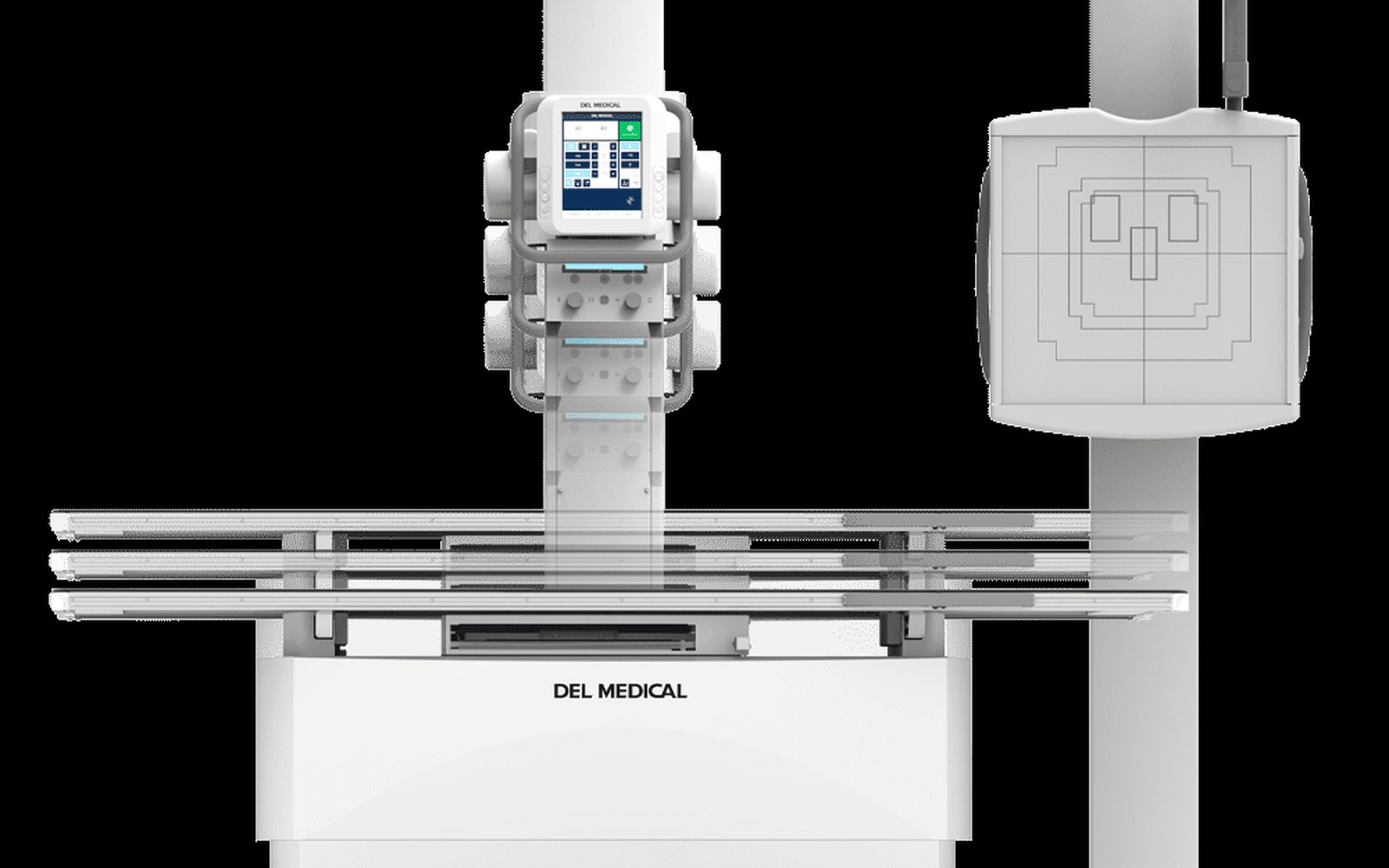
Outpatient imaging centers live or die by exam throughput. The more studies a room can turn in a day, the better the economics of the facility, and an aging general radiography unit or a bottlenecked schedule is the clearest sign that equipment is costing the center more than it earns. We provide financing for independent imaging centers, hospital-affiliated outpatient facilities, and multi-site radiology groups that are upgrading, expanding, or launching new locations.
Our transactions start at $50,000 and the typical imaging center deal runs $100,000 to $500,000 depending on room configuration and modality mix. We finance new equipment from original manufacturers as well as certified refurbished systems, which give centers a meaningful cost advantage when volume projections are still ramping. Application-only paths handle straightforward deals up to roughly $400,000; larger projects add three months of bank statements. Funding arrives in about one to two weeks once approved.
The Economics Driving Imaging Center Capital Decisions
Outpatient imaging growth has been steady for years. Insurance reimbursement for plain-film studies, fluoroscopy, and mammography flows more predictably in the outpatient setting than in hospital radiology departments, where cost accounting is more complex. That predictability makes equipment financing straightforward for lenders and lets centers plan payments against anticipated study revenue.
Many centers are converting from computed radiography, which still uses cassette-based image plates, to fully digital direct-capture panels. The workflow difference is significant: a DR panel delivers an image in seconds rather than the minute or more a CR cassette reader requires, and that time adds up quickly across fifty or sixty studies a day. Computed radiography systems still have a place in cost-sensitive settings, but centers building or upgrading a primary room typically choose direct-capture digital radiography for throughput reasons.
Fluoroscopy is the other core investment for many outpatient centers. A radiographic and fluoroscopic combination room lets a center handle barium studies, upper GI series, and other contrast procedures alongside routine plain-film work, doubling the revenue potential of a single room without requiring separate square footage.
Equipment Categories for Outpatient Centers
A single-room outpatient center typically starts with a ceiling-suspended tube, a wall bucky, and a floor-mounted table, all feeding one or two wireless DR detectors. We finance the room package as a single transaction, including installation and any room shielding modifications.
Multi-room centers add complexity: dedicated fluoroscopy suites, a mobile unit for overflow or satellite locations, and a PACS workstation cluster for radiologist reading. We structure multi-asset deals as a single facility with scheduled payments against each piece, or as separate agreements if cost-center accounting requires it.
Mammography is a frequent add-on for centers expanding into women's imaging. Upgrading to a 3D tomosynthesis system from a 2D digital platform improves recall rates and patient satisfaction, which in turn drives volume. We finance standalone mammography acquisitions and complete women's imaging room buildouts with or without stereotactic biopsy capability.
- DR room packages (ceiling, wall, floor, detector)
- CR-to-DR conversion panels and retrofit systems
- Fluoroscopic and R&F combination suites
- Mammography and 3D tomosynthesis systems
- PACS workstation and reading room infrastructure
- Mobile and portable units for satellite or overflow coverage
What Imaging Centers Need to Apply
Most established imaging centers with at least two years of operating history can pursue application-only financing for deals up to roughly $400,000. A one-page credit application covering ownership, entity details, and equipment description is typically all that is needed for a first decision.
Larger deals and newer centers add bank statements (three months is standard) and, for significant credits, two years of business tax returns or financial statements. Centers with mixed or challenged credit history are not automatically disqualified: we have B/C credit programs that consider overall practice health, equipment value, and owner experience alongside the credit score.
Startup imaging centers require additional documentation because there is no operating history to underwrite. Owner financials, a business plan showing projected study volume, and sometimes a lease for the facility are typical asks. Startup funding is available but the process takes longer and the initial terms may be more conservative than for established operations.
Start a Financing Conversation for Your Imaging Center
Your center's throughput goal and equipment selection are the starting point. Tell us what you are looking at, whether you are replacing one room or outfitting a new location, and we will put together a financing structure that fits your timeline. Most decisions come back within one business day.
Related Financing Paths
Questions about X-Ray Equipment Financing for Outpatient Imaging Centers
Clear answers on equipment eligibility, documentation, timing, and the financing path before you send the full file.
Can we finance a room buildout including shielding and electrical work, not just the imaging equipment?
Yes, in most cases. Lenders typically allow soft costs including shielding, electrical upgrades, installation, and training to be rolled into the financed amount, up to a percentage of total equipment cost (usually 20-25%). We confirm the exact allowable amount during the underwriting process.
We are a two-year-old independent center. Do we qualify for equipment financing without a lot of documentation?
With two or more years of operating history and reasonable credit, most centers can access application-only financing up to roughly $400,000. Larger requests or credits with some blemishes add bank statements and sometimes a year of tax returns, but the process is still straightforward for established operations.
Is it worth financing a refurbished DR system, or should we only consider new equipment?
Refurbished systems from FDA-registered dealers can cut acquisition cost significantly, and we finance them on the same terms as new. For a center watching its capital, a refurbished room that performs reliably and provides the throughput boost you need is often the smarter financial decision than new gear that takes five years to pay for itself.
We already own our current X-ray room outright. Can we use it to raise capital for a second room?
Yes. A sale-leaseback on the existing unit can unlock capital to fund the expansion. The center sells the equipment to a lender at appraised value and leases it back on agreed monthly terms, then uses the proceeds toward the new room.
Do lease structures work better than loans for imaging centers from a tax standpoint?
It depends on your entity structure and tax situation. An FMV lease keeps the equipment off your balance sheet and payments are deductible as operating expenses. A loan or dollar-buyout lease lets you depreciate the asset and potentially take Section 179 or bonus depreciation in year one. Talk to your accountant about which structure gives the better after-tax outcome for your situation.
Bring this system into your room.
Send the X-Ray Equipment Financing for Outpatient Imaging Centers quote, seller details, requested amount, and installation target. The imaging finance desk will map the next practical step.