

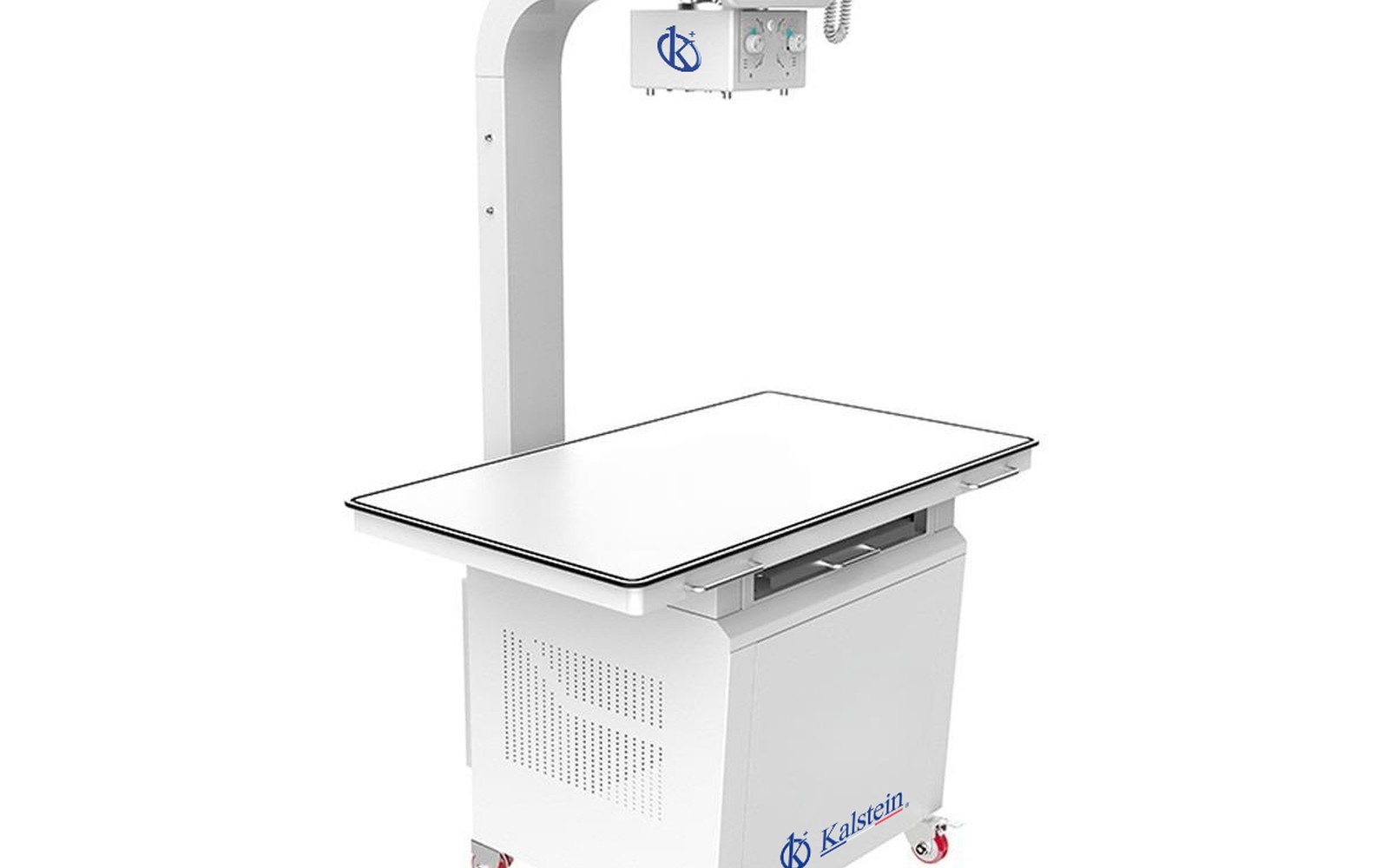
Room throughput dictates revenue. A faster exam cycle means more patients seen before the end of the shift, and the equipment making that possible has to fit on a payment schedule that does not choke cash flow. X-ray equipment loans let your practice own the system outright while spreading the capital cost across terms that match how the room actually earns. We fund loans from $50,000 into seven figures for digital radiography systems, C-arms, fluoroscopy tables, and full room build-outs, and we work with both new and pre-owned equipment.
A loan is the right structure when you want depreciation on the books, plan to hold the system past its financing term, and prefer a predictable fixed monthly payment over the flexibility of a lease. The equipment titles to your practice at closing, which matters for practices running Section 179 deductions or working with accountants who prefer a balance-sheet asset. We do not require a minimum credit score to apply, though stronger credit profiles unlock lower rates and longer terms.
How an X-Ray Equipment Loan Works
The mechanics are straightforward. We receive your application, pull background on the practice and the principals, and typically issue a credit decision within one to two business days. Once approved, we confirm equipment details with your vendor, order documents, and fund the vendor directly. The entire cycle from application to wire generally runs about ten to fourteen business days, though straightforward deals sometimes move faster.
Loan terms typically run 24 to 84 months depending on equipment age, deal size, and credit profile. Rates vary by those same factors. We do not publish a rate table because every deal is structured individually, and quoting a range without knowing your situation misleads more than it helps. What we can say: the payment on a well-structured loan almost always fits within the reimbursement revenue one or two additional exams per day would generate.
- Collateral is the equipment itself (no blanket lien required on most deals)
- Application-only approval available up to roughly $400,000 (no tax returns needed)
- Three months of business bank statements for deals requiring full documentation
- New and used X-ray equipment both eligible, including refurbished units from certified dealers
- No prepayment penalty on most loan structures
What Equipment Qualifies
Our loan program covers the full spectrum of diagnostic imaging hardware. Mobile C-arms used in orthopedic suites and ASCs qualify at the same terms as fixed DR room systems. Fluoroscopy systems for gastroenterology or urology, mammography units, DEXA scanners, portable units for mobile imaging providers, and the associated software, detectors, and PACS workstations all fall within program scope.
Equipment age matters but does not automatically disqualify older units. A refurbished system from a reputable ISO or OEM-certified refurbisher with a documented service history is treatable much like new for loan purposes, particularly when the purchase includes a warranty. Systems more than ten years from original manufacture require a bit more underwriting attention, but deals still close regularly when the equipment condition supports it. We have financed systems well past that threshold when the clinical story made sense.
Which Buyers Benefit Most from a Loan
Established practices with two or more years of operating history are the natural fit for a standard equipment loan. The deal is simple, the rate is competitive, and the practice gains a depreciable asset. Orthopedic practices buying a C-arm for in-office fluoroscopy, imaging centers upgrading from CR to DR, and urgent care groups adding a fixed room to a second location are all common loan borrowers.
That said, we also structure loans for buyers with shorter operating history or credit challenges. The terms may carry a higher rate or require a larger down payment, but the loan product itself remains available. Practices that cannot qualify for application-only approval can often qualify with full documentation: three months of bank statements, a recent tax return, and a one-page practice overview. We review every deal individually rather than running it through a binary algorithm.
Practices that want to preserve capital for clinical staff, supplies, or a facility renovation often find that a loan on a major imaging system is the most efficient use of their credit. Tying up $200,000 in cash to buy a DR system outright makes sense only if the bank account earns more than the loan rate, which is rarely the case.
Loan vs. Lease: A Quick Comparison
A loan and a lease accomplish different things. With a loan, you own the equipment from day one and the asset sits on your balance sheet. With a lease, the lender retains title and you make use payments, which may be treated differently for tax purposes. The right structure depends on your accountant's guidance, your preference for end-of-term ownership, and whether you value the option to return the equipment as technology evolves.
X-ray equipment leasing is worth exploring alongside a loan quote if your practice upgrades imaging systems on a regular cycle, say every five to seven years. The lease structure keeps you off the residual risk of a system whose trade-in value has dropped. For practices that hold equipment until it wears out, a loan is almost always the better answer. We can model both side by side so you see the actual payment difference and total cost before committing.
If your goal is pulling cash out of equipment you already own, that is a different product: see cash-out equipment refinancing. If your practice is brand new, look at our new practice startup financing options, which are structured for entities with no operating history.
Get Your Loan Estimate
Tell us the system you are looking at, the vendor, and a rough purchase price. We will come back with a payment range and let you know what documentation we need to get to a credit decision. Most applications take about five minutes to complete and decisions come back within one to two business days.
Related Financing Paths
Questions about X-Ray Equipment Loans
Clear answers on equipment eligibility, documentation, timing, and the financing path before you send the full file.
Can I finance both the equipment and the room build-out in the same loan?
Yes, in most cases. Hard costs like lead lining, electrical upgrades, and shielding can be bundled into the equipment loan when they are part of the same project. Soft costs like installation and training are sometimes included as well, depending on the deal structure. The bundled amount needs to make sense relative to the equipment value.
My practice is three years old but I had a rough patch two years ago. Will that kill my application?
Not automatically. We look at the full picture: current bank balance trends, current receivables, and whether the rough patch was a one-time event or an ongoing pattern. A brief dip followed by recovery often still qualifies. We review manually rather than relying on a score cutoff.
How do I know what terms to expect before I apply?
We can give you a rough payment range based on deal size, equipment type, and a few practice details without pulling credit. A soft pre-qualification takes about five minutes by phone or email and gives you a realistic number to plug into your pro forma before you commit to a vendor quote.
Is there a minimum loan amount?
Our minimum is $50,000. For deals under that threshold the administrative cost of the loan usually outweighs the benefit. Smaller purchases, like a single DR detector or a PACS workstation upgrade, may be better handled through a working capital facility.
Does the loan rate change if I buy used equipment instead of new?
Sometimes, yes. Used equipment carries more residual risk for the lender, which can translate to a slightly higher rate or a shorter maximum term. The difference is usually modest on well-documented refurbished units from reputable dealers. We treat certified refurbished systems much like new for most purposes.
Bring this system into your room.
Send the X-Ray Equipment Loans quote, seller details, requested amount, and installation target. The imaging finance desk will map the next practical step.