

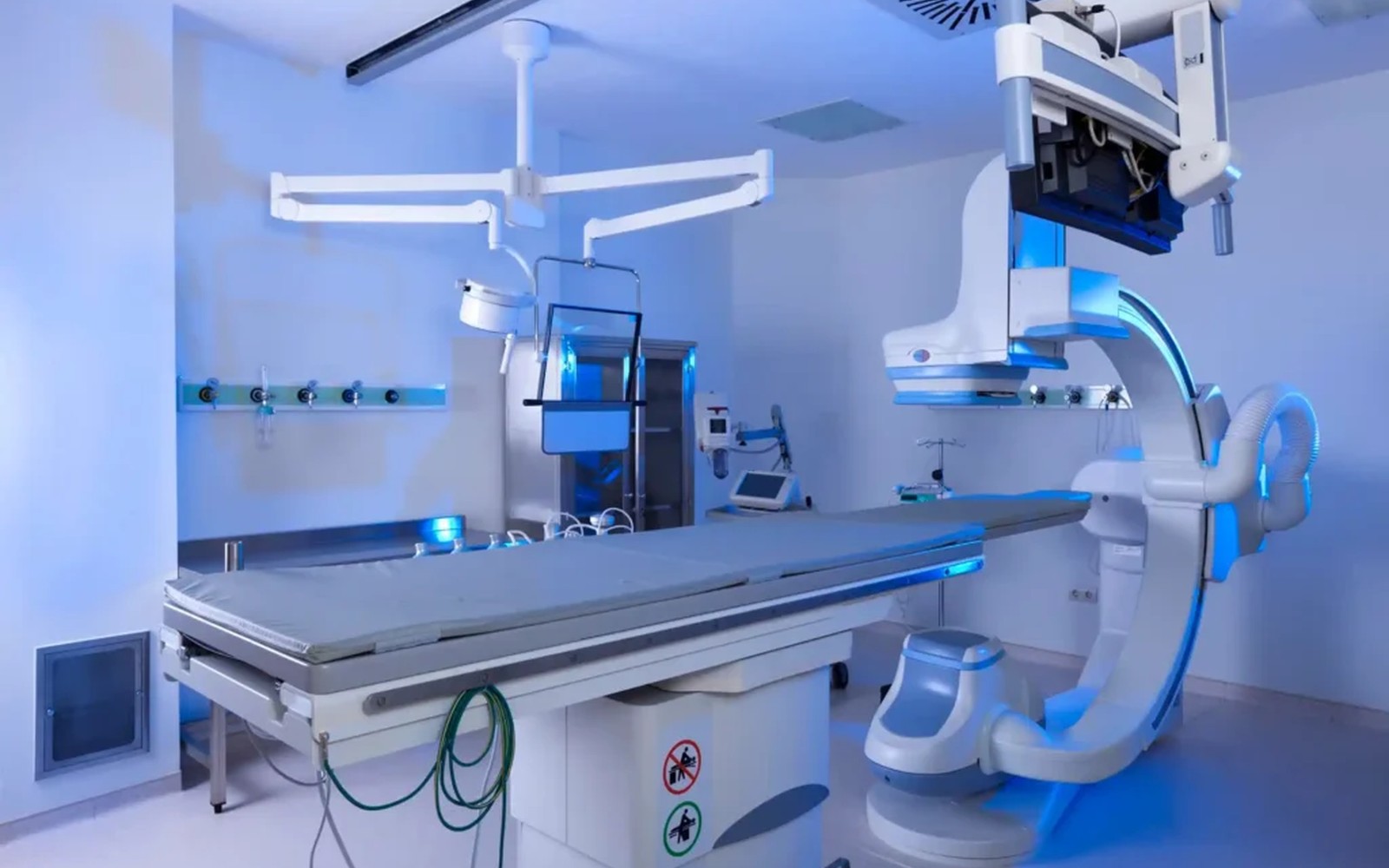
Plain-film radiography is one of the few imaging modalities that earns its cost in an urgent care setting almost from day one. A room that handles extremity studies, chest films, and spine images keeps patients from driving across town to a hospital ED, and that retained visit is both a better patient experience and direct revenue for the clinic. We finance X-ray equipment for independent urgent care clinics, physician-owned urgent care networks, and franchise chains that are opening new sites or upgrading existing rooms.
Our minimum is $50,000, which typically covers a modest single-room setup including the DR panel and table. Full fixed-room configurations with ceiling suspension, wall bucky, and detector run higher, and we are comfortable financing those as well. Startup sites are eligible with owner financials and a business plan; operating locations with as little as one year of history can often qualify on a straightforward application with limited documentation.
Room Configurations We Finance for Urgent Care
The most common urgent care X-ray setup is a fixed room with a floor-mounted table, wall-mounted bucky, and a ceiling-suspended tube. Adding a second detector panel lets the room handle both table and wall positions without interruption, which matters when a Monday morning fills the waiting room. We finance this standard two-detector room configuration as a single package, including the generator and installation.
Some urgent care operators prefer to start with a portable X-ray unit and a dedicated exam room rather than a fully built-out fixed suite. The capital cost is lower and the setup is faster, though throughput is constrained compared to a ceiling-mounted system. Portable units also make sense as a second room for overflow coverage or as the primary solution in a small satellite location.
Digital radiography panels are the expected standard in new urgent care builds. The days of film processing and even most CR plate readers are behind the market. A DR system delivers images directly to a PACS in seconds, radiologists can read remotely within minutes, and the room turns faster. For an urgent care chain looking to standardize across locations, we can structure a master facility that funds each site's room on the same lease terms.
- Fixed room packages (ceiling tube, wall bucky, table, generator, DR panel)
- Portable and mobile units for smaller sites or overflow coverage
- DR panel upgrades for rooms that already have a functional generator
- PACS connectivity and workstation additions
- Multi-site funding for chain expansion
Timeline from Application to Funded Equipment
Urgent care openings operate on tight construction timelines. A clinic that is three weeks from opening day needs equipment financing that does not add two months to the schedule. Our typical process runs like this: a one-page application goes in, we respond with a credit decision usually within one business day, and once you sign the approval documents and the equipment ships, funds release to the vendor within about one to two weeks.
For multi-site operators adding a new location, we often have prior credit history on file from previous deals, which shortens the document gathering phase. For brand-new clinic owners, we ask for the owner's personal financial statement, three months of personal or business bank statements (or both), and the signed lease or purchase agreement for the clinic space. We do not require years of tax returns for startup deals under $250,000 in most cases.
Application-only financing is available for credits that qualify, covering deals up to roughly $400,000 without the need for financial statements. Larger requests or credits with some history will add documents, but even those deals close faster than most clinic operators expect going in.
Payment Structures That Work for Urgent Care Cash Flow
New urgent care sites do not hit full patient volume from opening day. A deferred-payment structure can let you skip one to three months of payments while the clinic ramps up, then transition to a standard monthly payment once revenue is flowing. This is not a default offering but we can structure it when the deal and credit support it.
Lease versus loan is a real choice for urgent care operators. A lease on an X-ray room keeps the equipment off your balance sheet, and an FMV lease at term end gives you the option to return, upgrade, or purchase. For physician-owners who want to own the equipment outright and capture the Section 179 deduction in year one, a loan or dollar-buyout lease structure is the better fit. We walk through the tax implications before committing to a structure.
Related Financing Paths
Questions about X-Ray Equipment Financing for Urgent Care Clinics
Clear answers on equipment eligibility, documentation, timing, and the financing path before you send the full file.
We are opening our first urgent care clinic in 60 days. Can we get X-ray financing before we have any revenue?
Yes. We finance startup urgent care clinics based on the owner's personal credit and financial profile, the business plan, and the signed lease for the clinic space. We do not require operating revenue history for initial deals, though the financing structure for startups may differ from what an established multi-site operator would receive.
Our urgent care franchise requires a specific X-ray system brand. Can you finance it?
Almost certainly yes. We work with all major digital radiography manufacturers including GE HealthCare, Fujifilm, Canon, Carestream, Shimadzu, and others. As long as the equipment comes from a legitimate dealer and is commercial-grade medical equipment, we can finance it.
We have five urgent care locations and want to add X-ray to three of them. Can this be one deal?
Yes. A master facility or blanket agreement covers multiple sites under one approval, which simplifies administration and often gives you consistent pricing across all three rooms. Individual equipment schedules within the master identify each room separately.
Can we refinance a room we financed two years ago if rates have improved?
Yes. If the existing loan has a reasonable payoff balance and the equipment is still in good shape, we can refinance the remaining term. We look at the payoff amount versus the current market value of the equipment and structure a new deal that makes sense for your payment.
How does the vendor get paid? Does the money go directly to us?
Funds disburse directly to your equipment vendor, not to your clinic. This protects both parties and is standard practice for medical equipment financing. You receive the equipment, sign off on delivery, and then the lender pays the vendor.
Bring this system into your room.
Send the X-Ray Equipment Financing for Urgent Care Clinics quote, seller details, requested amount, and installation target. The imaging finance desk will map the next practical step.