

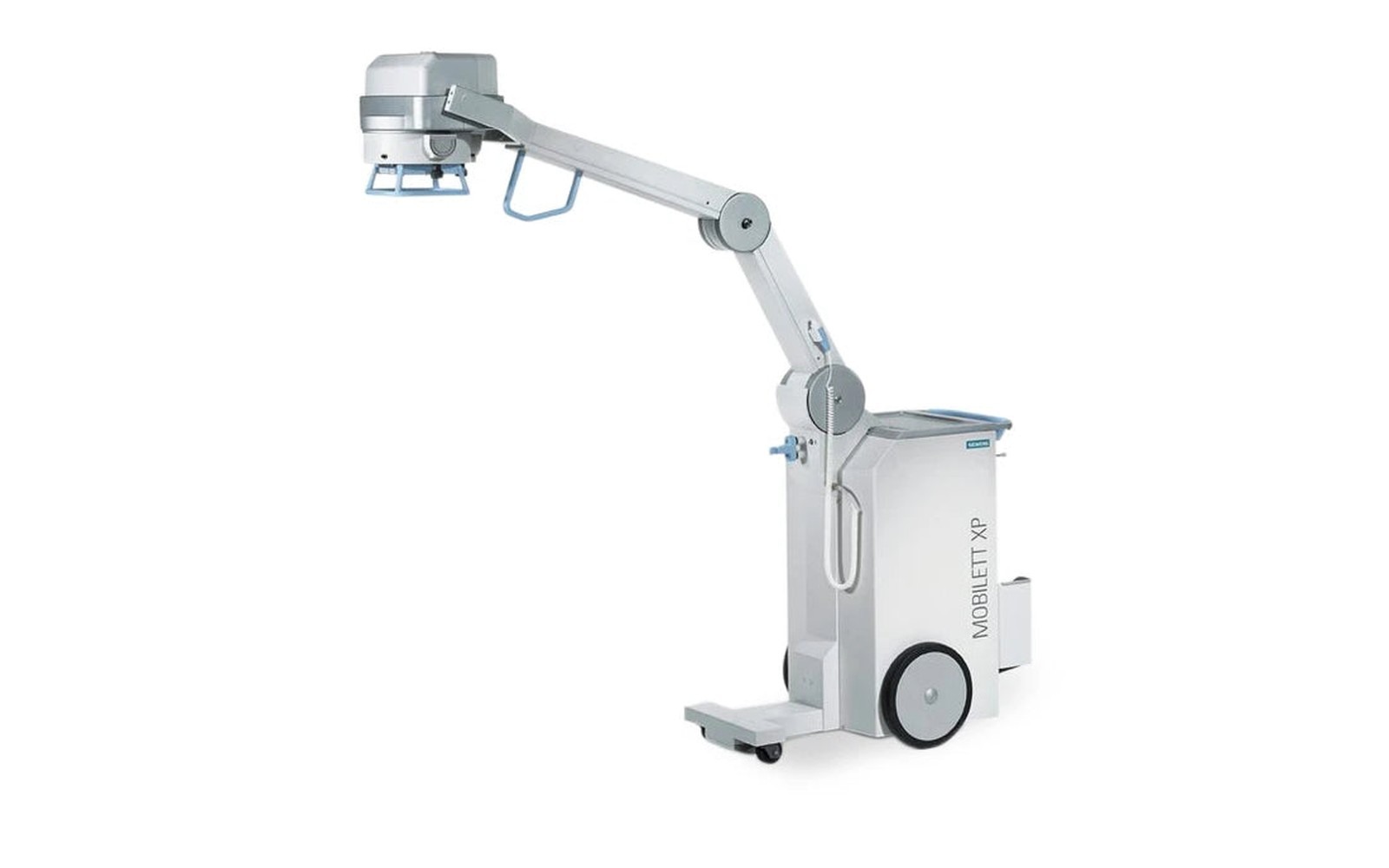
Cardiology sits at the high end of capital intensity in medicine, and imaging equipment drives most of that investment. A diagnostic cardiac catheterization lab starts in the hundreds of thousands and a biplane angiography suite with hemodynamic monitoring integration reaches into the millions. The financing structure for these acquisitions has to match the complexity and cost of the equipment, and most community cardiac practices and independent cardiology groups find that equipment-specific financing is both more available and more flexible than what their bank's commercial lending desk can offer. We structure imaging equipment financing for cardiology groups across the full range of cardiac imaging modalities.
Our minimum is $50,000 and we have no stated maximum. Larger transactions add more documentation, but cardiac practices with established volume and revenue are strong credit candidates, and the equipment itself has meaningful collateral value. We finance new systems and certified refurbished cardiac imaging equipment, and we work with single-physician cardiology practices, group practices, and cardiology departments at independent hospitals.
Cardiac Imaging Equipment We Finance
Cardiac catheterization lab systems represent the most significant imaging investment a cardiology practice makes. A single-plane cath lab suitable for diagnostic coronary angiography and selective coronary intervention requires a floor-mounted or ceiling-mounted imaging chain, a hemodynamic monitoring system, a specialized cath table, and the supporting room infrastructure. A biplane lab, which provides simultaneous orthogonal views, is the standard for complex interventional cases and structural heart procedures. Both single-plane and biplane configurations are within our financing range.
Angiography systems used in cardiology are the imaging backbone of the cath lab. Modern flat-panel detector angiography systems provide significantly lower radiation dose per study than image-intensifier predecessors while delivering superior image quality for vascular and cardiac roadmapping. The transition from II-based to flat-panel angiography is a meaningful upgrade for any cath lab running high procedure volumes.
Outside the cath lab, cardiology practices use imaging for non-invasive evaluation. A digital fluoroscopy system in a cardiology office can guide device implantation checks, pacemaker lead positioning verification, and pre-procedural planning studies. Some larger cardiology groups also maintain dedicated rooms for chest X-ray for heart failure monitoring and device evaluation, and we finance those diagnostic DR rooms as well.
- Single-plane and biplane cardiac catheterization lab installations
- Flat-panel angiography systems
- Structural heart procedure suite imaging
- Diagnostic chest X-ray rooms for cardiovascular monitoring
- Hemodynamic monitoring and cath lab support systems
- Room construction and shielding for cath lab buildouts
Financing Cardiac Imaging at the Practice Level
Cardiology practices operate in two very different financial environments: the large academic or integrated health system where capital comes through institutional budgeting, and the independent or physician-owned cardiology group where equipment investment decisions fall on the partners. We primarily serve the independent group, where equipment financing is a practical alternative to deploying practice capital or seeking a bank loan.
A cath lab installation is rarely just the imaging chain. The room may require structural modifications for radiation shielding, dedicated electrical service, and HVAC modifications. These soft costs can often be rolled into the financed amount. We evaluate soft-cost allowance during underwriting and confirm how much of the total project cost the lender can cover before the deal closes.
Cardiology groups structured as partnerships or S-corporations often benefit from equipment ownership for tax purposes. A Section 179 election in the year of purchase can offset a significant portion of taxable income for the physician partners. We structure the financing as a purchase loan or dollar-buyout lease to preserve this option. Practices considering the timing of a large equipment purchase sometimes accelerate or defer based on the tax year calendar, and we can accommodate deals that need to close before year-end.
For practices with existing cath lab equipment that is partially paid off, a cash-out refinance can extract working capital while restructuring the remaining term. Alternatively, a Sale-Leaseback Financing on a fully paid-off cath lab system generates a capital infusion equivalent to the equipment's current market value and converts the asset back into a monthly lease expense.
What Is Driving Cardiology Imaging Investment
Independent cardiology groups are under pressure from hospital employment and consolidation, but the ones that maintain independent practice are investing in their own infrastructure to remain competitive. A practice that owns its own cath lab keeps the procedure revenue that would otherwise flow to the hospital's facility fee, and that economic argument drives most of the independent cardiac imaging investment we see.
Structural heart procedures, particularly transcatheter aortic valve replacement (TAVR) and related interventions, are moving toward hybrid OR-level imaging capability. A group planning to add TAVR capability needs imaging equipment that meets the visual and positioning demands of structural heart work, which is more demanding than standard coronary angiography. The imaging capital for a structural heart program is a major decision, and the financing structure needs to match a multi-million-dollar project with multi-year payback.
Cardiology practices in growing markets like Dallas, Houston, and Phoenix are building new facilities at a meaningful pace, and each new facility needs a complete imaging infrastructure. We see geographic concentration in Sun Belt markets where population growth is driving cardiac procedure volume.
Related Financing Paths
Questions about X-Ray Equipment Financing for Cardiology Practices
Clear answers on equipment eligibility, documentation, timing, and the financing path before you send the full file.
A biplane cath lab is a multi-million dollar project. What kind of documentation is required for a deal that size?
Large transactions above $400,000 require more documentation: typically two to three years of business tax returns or financial statements, three months of bank statements, and a detailed project description including vendor quotes. For a partnership or group practice, we also review the partnership agreement and may request personal financial statements from the principal owners. The process is more involved but entirely workable for established cardiology groups.
We want to add cath lab capability to our practice but are not sure whether to build in our own space or partner with a hospital. How does that affect financing?
If you build in your own leased or owned space, the financing is straightforward: practice financing for the equipment, separate commercial financing for the build-out. If you are entering into a joint venture arrangement with a hospital for a shared facility, the financing structure becomes more complex and may involve the hospital entity as a co-borrower or guarantor. We focus on the equipment side; the legal and operational structure of a hospital partnership is something to sort out with your healthcare attorney.
Our cath lab equipment is eight years old and still works fine. Is there a point at which it is better to replace rather than continue maintaining?
That is a clinical and financial decision more than a financing one. The maintenance cost curve on older imaging equipment tends to rise, and flat-panel detectors have significant advantages in dose efficiency over older image-intensifier systems. Many practices reach an inflection point around years seven to ten where the total annual maintenance cost approaches the monthly payment on a new or certified refurbished replacement system. When that math tips, financing a replacement starts to look attractive.
Can we get financing approval before selecting a final equipment vendor?
We can issue a preliminary approval or a financing commitment letter before you have finalized the vendor, provided we have sufficient information about the equipment type, approximate price range, and your practice financials. The final transaction documents require a specific vendor quote, but you do not need to commit to a vendor before knowing you have financing in place.
Our practice has a prior business bankruptcy from ten years ago related to a different medical venture. Does that automatically disqualify us?
Not automatically, especially at that distance. A business bankruptcy from ten years ago with a clean record since then is a different profile than a recent filing. We evaluate the full history and the current financial position. Established revenue, clean personal credit since the event, and a strong practice profile can support an approval even with a prior business credit event.
Bring this system into your room.
Send the X-Ray Equipment Financing for Cardiology Practices quote, seller details, requested amount, and installation target. The imaging finance desk will map the next practical step.